
Creator Archetype
from my new book

Chapter 7
The Creator Archetype
“We write to be able to transcend our life, to reach beyond it. We write to teach ourselves to speak with others, to record the journey into the labyrinth, we write to expand our world, when we feel strangled, constricted, lonely.”― Anaïs Nin, The Diary of Anaïs Nin, Vol. 5: 1947-1955
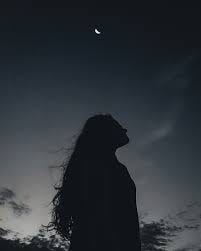
The Creator is an easy one for me to identify with. Inventive and imaginative, the artist aims to realize a vision and bring something new into existence. Creating a book. Bringing about a vision. These are some ways one might work toward it. Seeing it coming true or manifesting into a material form - that is real magick for me.
“The primal need for self-expression and documentation has appeared in human beings since the dawn of humankind. Our ancestors began carving shapes on rocks more than 40,000 years ago, and now graffiti has become a popular urban medium for self-proclamation an evidence of one’s egoic identity reinforcement, an innate desire to pronounce oneself and leave a mark in the world.
The wall is a sacred place. Containing layers and layers of joy and pain, it is a collective scream on the voice of humanity; it is raw, vulnerable, and real.”― Felisa Tan, In Search for Meaning
“The creative process is often considered a spiritual practice in itself, a way of ‘co-creating’ with a higher power or tapping into universal energies. The goal is often not just to entertain but to transmit transformative experiences and reveal ‘unexplained laws of nature and the powers latent in humanity’”-- Pierre Teilhard de Chardin, reminding us that the sacred is found in the ordinary, the everyday of our lives. So let us look at our lives. As I examine mine, take a glance at your own. Let’s see what we can uncover together.
First, we’ll look at those who left work behind which people reference today. Dion Fortune, Edgar Cayce, Aleister Crowley and William Blake can be considered creators and visionaries, because their works offered direct, personal experience of spiritual or hidden realities, which guide the spiritual development of others. Their insights arose out of mystical experiences, divine revelations, channeling or other psychic abilities, and their writings often pushed others into their own personal awakening or in the seeking of deeper truths. For the creator or artist, the act of creation is more than just giving form to an object. Sometimes, the artist ends up being acted through. By what? Let us ask Jung about that.
“Art is a kind of innate drive that seizes a human being and makes him its instrument. The artist is not a person endowed with free will who seeks his own ends, but one who allows art to realize its purposes through him. As a human being he may have moods and a will and personal aims, but as an artist he is “man” in a higher sense -- he is ‘collective man’ -- one who carries and shapes the unconscious, psychic life of mankind.” - Carl Jung
Many creators turn doubt into eventual insight or their pain into beauty. Subconsciously, they hope to hurt less if they find meaning. Creating can help someone survive. Working through the tough times ends up being transformed into a work of literature or art, and it helps others through shared heartbreak or it becomes their battle cry. They will be able to say, “This mattered.” Or really, “I matter and you matter.”
Ever wonder why dictators hate art so much? They don’t want to face their own darkness or their own pain. But we need creators who have delved into their own, because it sheds light on how to navigate our own. And we end up discovering so much more.
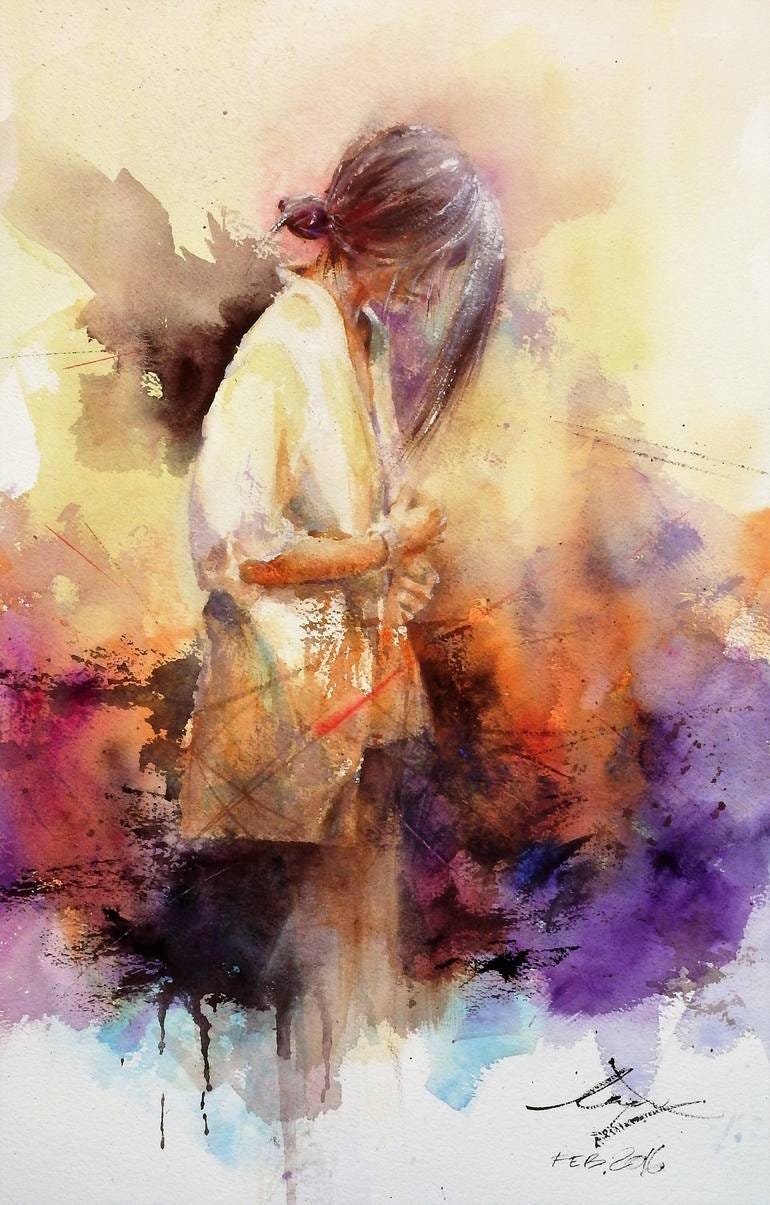
image by Kan Srijira, Inner Pain
You don’t have to be talented or highly skilled in order to engage in art. Put your heart into it. Much can be gained. And if you enjoy it, you can practice and hone your craft. Or just have fun with it. That is how many great works get created. We all have to start somewhere.
What is your message? What would you like to tell the world if you could? Now, how will you go about sharing it?